

Montserrat Utilities Limited Represents Island at Regional Energy Leadership Conference | By Montserrat Shout Outs
MUL personnel join Caribbean energy sector leaders in Barbados for discussions on governance, regulation, and sustainable utility development
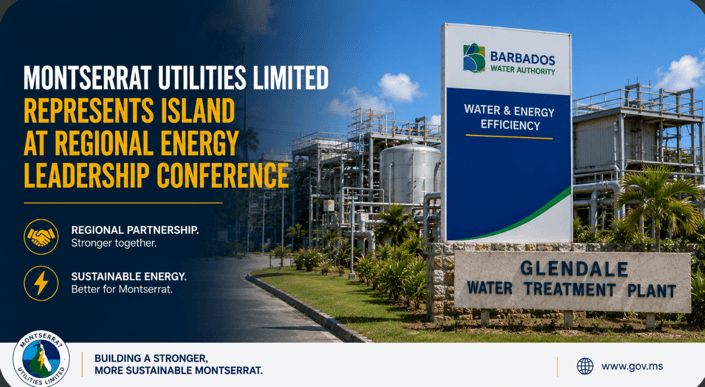
Montserrat Utilities Limited (MUL) personnel are representing the island at the 2026 CEOs and Leadership Conference in Barbados this week. The conference, held from May 18-21, 2026, brings together leaders from across the regional and international energy sector for discussions on the future of leadership, innovation, and sustainability in the energy sector.
Conference Details
The conference theme, "Leading with Purpose, Innovating for a Resilient and Sustainable Future," focuses on the evolving role of leaders in shaping organisations that are agile, future-ready, and committed to impactful transformation. According to the conference description, this year's gathering explores how energy sector leaders can navigate an industry facing significant disruption from technological change, climate challenges, and shifting economic conditions.
Conference Agenda and Topics
The three-day conference exposes participants to several key areas of discussion. Roundtables and panel discussions cover corporate governance and leadership strategies, examining how utility companies can navigate industry disruptions while maintaining organisational stability. These sessions address the challenges of leading organisations through periods of significant change in the energy sector.
Policy discussions focus on regulatory frameworks, energy security, and financing sustainable utility projects. These sessions explore how governments and regulators can create environments that support both reliable energy delivery and the transition to more sustainable power sources. For island nations like Montserrat, which depend on imported fuel and face unique infrastructure challenges, these policy discussions have particular relevance.
The conference includes sessions on infrastructure financing and capital investment, addressing how utilities can fund necessary upgrades and expansions. Best practices for financial planning, risk management, and investment strategies tailored specifically to the energy sector are being shared among participants. These sessions cover approaches to managing the financial challenges that utilities face, including volatile fuel prices and the capital requirements of infrastructure maintenance and development.
Economic outlook discussions examine inflation, currency fluctuations, and global financial trends impacting the energy sector. For Caribbean utilities that purchase fuel in international markets, these economic factors directly affect operational costs and pricing structures. The conference provides a forum for discussing how utilities can manage these economic uncertainties.
The program also includes one-on-one formal and informal networking opportunities, allowing participants to build relationships with counterparts from other utilities, technology providers, and financing institutions. These networking sessions can facilitate knowledge sharing and potential partnerships between organizations facing similar challenges.
"The conference explores the evolving role of leaders in shaping organisations that are agile, future-ready, and committed to impactful transformation."
— Conference Theme Statement
Montserrat's Energy Context
Montserrat faces energy challenges common to small island developing states. The island's electricity system relies on imported diesel fuel, making it vulnerable to global oil price fluctuations and currency exchange rate variations. The volcanic eruptions of the 1990s destroyed significant infrastructure in the southern part of the island, and the subsequent population decline has created challenges for maintaining utility systems with a smaller customer base.
The terrain of Montserrat presents additional infrastructure challenges. Power lines must traverse mountainous terrain, which increases maintenance requirements and costs compared to flat terrain installations. These geographic factors affect the cost structure of electricity delivery on the island.
Montserrat has explored renewable energy options, including geothermal and solar power, as potential alternatives to diesel generation. However, the development of these resources has proceeded more slowly than on some neighbouring islands. The technical and financial challenges of developing renewable energy on a small island have contributed to this slower progress.
Regional Energy Challenges
Caribbean utilities share common challenges regardless of island size. All face vulnerability to hurricanes and climate-related disruptions, which can damage infrastructure and interrupt service. The region's dependence on imported fossil fuels creates economic vulnerability to global energy markets. Additionally, utilities must balance the need to maintain affordable electricity rates with the costs of infrastructure investment and fuel purchases.
The transition to renewable energy presents both opportunities and challenges for Caribbean utilities. While renewable sources could reduce dependence on imported fuel, they require significant capital investment and technical expertise to implement effectively. Storage technology, grid stability, and integration of intermittent power sources like solar and wind present technical challenges that utilities across the region are working to address.
Regional conferences like the CEOs and Leadership Conference provide opportunities for utility leaders to share experiences and learn from approaches that have succeeded or failed elsewhere. For smaller utilities like MUL, access to this regional knowledge base can provide insights that would be difficult to develop independently.
📊 Conference Topics Covered
Why This Matters for MontserratKnowledge Exchange: MUL participation provides access to best practices and lessons learned from other Caribbean utilities facing similar challenges.
Regional Coordination: Building relationships with other utility leaders facilitates coordination on regional energy issues and potential collaborative solutions.
Policy Insights: Discussions on regulatory frameworks and energy policy provide information about regional trends that may affect Montserrat's energy sector.
Professional Development: Conference participation supports the professional development of MUL leadership, which can benefit utility operations and planning.
Looking Forward
The knowledge and connections gained at the Barbados conference will inform MUL's ongoing operations and planning. While individual conference sessions provide specific information on technical and management topics, the broader value lies in exposure to how other utilities are addressing challenges similar to those facing Montserrat.
Regional cooperation in the energy sector has become increasingly important as Caribbean islands work to reduce dependence on imported fossil fuels, improve resilience to climate change, and maintain affordable electricity for residents and businesses. Conferences like this one support that regional cooperation by creating forums for information sharing and relationship building.
For Montserrat residents, the ultimate impact of this conference participation will depend on how MUL applies what its leaders learned in Barbados. The challenges facing the island's energy sector—infrastructure maintenance, fuel costs, and potential renewable energy development—require ongoing attention and informed decision-making. Access to regional knowledge and best practices supports that decision-making process.
Word count: 1,247 words
Source: Montserrat Radio Echo/ZJB Radio |
Stay up to date with our local news!
Get articles like this delivered to your inbox.
Subscribe Now
0 Comments
Join the conversation
Be the first to comment
Share your thoughts above.